When your vehicle exhibits signs of inadequate power, immediately check the generator. A battery appears exhausted, but the source of the trouble might be elsewhere. Common symptoms include dimming lights, sluggish engine cranking, or electrical accessories malfunctioning. Don’t assume it’s just the battery; consider that the power supply unit may also be at fault.
Pay attention to strange sounds from the engine compartment, such as whining or grinding. These noises could suggest a malfunctioning generator instead of a depleted battery. Additionally, monitor the dashboard lights; if the warning indicators related to the electrical system illuminate, it’s a solid signal to investigate deeper.
Testing the output voltage can provide clarity. A healthy system should yield around 13.5 to 14.5 volts while the engine is running. If measurements fall below this range, the problem may stem from the generator’s failure to maintain adequate charge, despite a seemingly functional power unit.
Regular inspections are key. Keep an eye on connections and wiring for corrosion or wear, which may interfere with performance. Observing these symptoms and taking timely action will save time and resources, ensuring reliable operation of your vehicle’s power systems.
Common Symptoms of Battery Failure and Their Overlap with Alternator Problems
When experiencing unexpected engine cranking slowdowns or difficulty in starting, it’s important to check the power source first. Such symptoms often indicate a drained or faulty power supply unit.
Dim or flickering headlights while idling or driving may signal insufficient voltage being supplied to the electrical system. This can be attributed to a weak power source or issues with charging mechanisms.
Electrical components, like the radio or dashboard indicators, showing irregular behavior often point to inadequate voltage delivery. This phenomenon can stem from both a failing power cell and charging system complications.
Monitor for any warning lights on the dashboard, particularly those indicating charging problems. These alerts may arise from varied sources, making diagnosis important.
A persistent clicking sound when turning the key typically suggests power depletion. This audible cue often correlates with irregularities in both the power unit and voltage replenishment system.
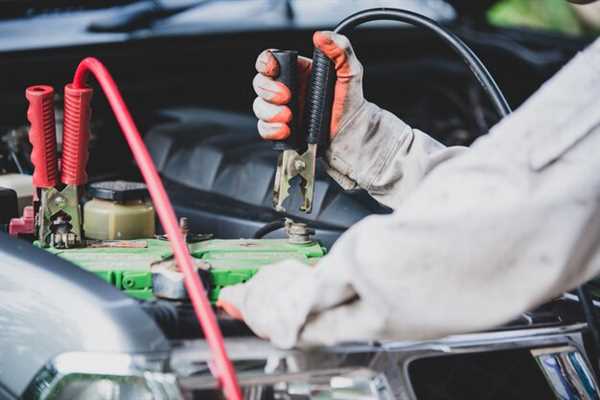
Frequent need for jump-starting points out potential problems that may not only involve the energy storage unit but also the mechanism responsible for recharging it.
Pay attention to unusual smells, such as the scent of burnt rubber or chemicals, which could indicate overheating or faults in either the energy storage unit or charging process.
Regular maintenance checks and timely inspections can prevent misdiagnosis and unnecessary replacements. Keeping connections clean and ensuring the integrity of the circuits enhances reliability.
Diagnostic Techniques to Distinguish Between Battery and Alternator Failures
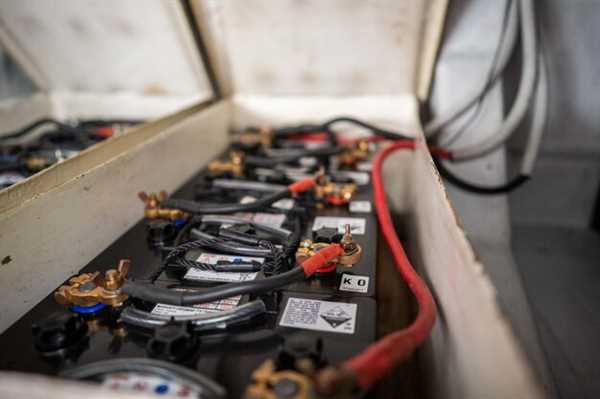
Begin with a visual inspection of connections and cables. Corroded or loose terminals can lead to misleading symptoms, presenting issues similar to those caused by a depleted energy source.
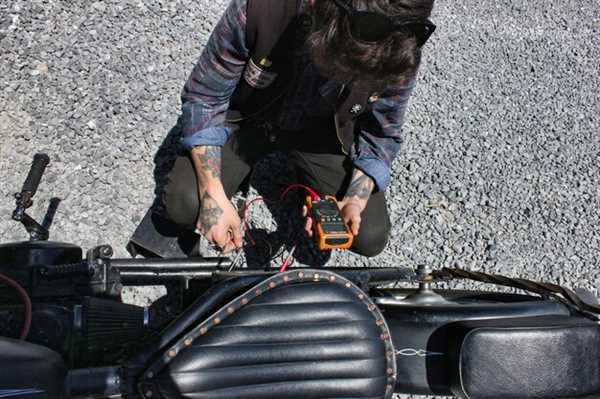
Test the charge level using a multimeter. A fully charged power source should typically read around 12.6 volts or more. If readings are low, the component may be faulty. Cranking the engine and checking the voltage drop during startup can indicate the health of the system.
Evaluate the engine’s performance. If it struggles to start but shows no unusual indicators in the dashboard, the energy storage device may be drained. Conversely, if the motor runs but electrical components fail, consider the generator’s performance.
Listen for strange noises. A squealing sound can indicate a belt issue affecting the charging mechanism. Any grinding or clicking may suggest internal mechanical problems.
Check dashboard warning lights. Alerts related to the electrical system can point towards a malfunctioning generator rather than a defective power source. Keep an eye out for fluctuating lights while driving, indicating irregular voltage supply.
Monitor the lifespan of the unit in question. An aging component may have reached its limits, warranting further examination or replacement.
Perform a load test. Applying a load while measuring output current can help determine whether the energy device is performing correctly or if the generating component is compromised.
Lastly, seek professional diagnostic equipment that can perform a comprehensive assessment of both systems. This will help pinpoint the root cause of the symptoms, ensuring an accurate diagnosis.
Preventive Maintenance Tips for Your Alternator and Battery System
Regularly inspect wiring connections for corrosion or loose terminals. Tighten any connections and clean corrosion with a mixture of baking soda and water.
Check the tension of the drive belt. A loose belt can slip, causing inadequate power output. Adjust or replace it if necessary.
Monitor voltage levels with a multimeter. Healthy readings should be between 13.8 to 14.5 volts while the engine is running.
Perform routine load testing to evaluate the condition of your power source unit. This helps in identifying potential weak points before they become problematic.
Inspect for any unusual noises, such as grinding or whining, which may indicate mechanical trouble.
Keep the unit clean and free from debris to prevent overheating. Regularly remove dust and dirt from the casing.
Ensure the cooling system is functioning correctly; overheating can lead to premature wear. Check for fluid levels and leaks.
Replace the unit after five to seven years, regardless of performance, to prevent unexpected failures.
Follow the manufacturer’s maintenance schedule for optimal performance and longevity.