Choosing high-quality materials during manufacturing is non-negotiable. Using durable alloys and composites can significantly minimize wear and tear, enhancing operational life. Regular inspections and adherence to maintenance schedules further sustain performance by identifying potential failures early.
Proper lubrication is another critical element. Using the right type and grade of oil not only reduces friction but also helps in dissipating heat more effectively. This directly affects the mechanical components’ lifespan and overall performance stability.
Environmental conditions play a significant role as well. Engines operated in extreme temperatures or corrosive environments are prone to faster degradation. Implementing protective measures, such as insulation and sealing, can mitigate these risks and ensure smoother operation over time.
Regular diagnostic checks are crucial for maintaining peak performance. Advanced diagnostic tools allow for real-time monitoring of engine parameters, enabling timely interventions before minor issues escalate into significant problems. Making data-driven adjustments can lead to impressive improvements in performance consistency.
Material Selection and Durability of Engine Components
Choose high-strength alloys such as titanium for critical components like connecting rods and crankshafts. These materials offer superior strength-to-weight ratios, reducing overall mass while enhancing performance and lifespan.
Incorporate stainless steel for exhaust systems. Its resistance to oxidation and corrosion extends service life, making it suitable for high-temperature applications. Additionally, consider using coated steel to prevent wear and fatigue in demanding environments.
Utilize advanced composites in areas that require lightweight solutions, such as engine covers. Composites can effectively minimize weight without compromising structural integrity, leading to improved fuel efficiency.
Prioritize the use of thermally stable materials like aluminum alloys for engine blocks. Their ability to withstand thermal expansion ensures dimensional stability, which is critical for proper sealing and overall function.
Evaluate the impact of different surface treatments, such as nitriding or shot peening, on component durability. These processes enhance surface hardness and fatigue resistance, thereby extending the lifespan of essential engine components.
Investigate the compatibility of selected materials with lubricants and coolants to avoid chemical degradation. Ensure that chosen substances can withstand thermal and mechanical stresses while maintaining performance over time.
Regularly test and analyze wear patterns in operating components to refine material selection. This data-driven approach enables the identification of weaknesses and the implementation of improved materials for future designs.
Impact of Maintenance Practices on Engine Longevity
Regular inspections are key. Implement a schedule for checks every 3,000 to 5,000 miles or as recommended by manufacturer guidelines. Monitoring oil levels, coolant conditions, and fluid leaks can identify issues early, preventing severe damage to inner parts.
Utilize high-quality lubricants during oil changes. Synthetic oils often provide superior protection, reducing wear on crucial components. They also help maintain optimal operating temperatures, minimizing thermal stress.
Replace air filters regularly. A clean air filter ensures optimal airflow, enhancing combustion efficiency and preventing engine strain caused by debris. This simple task can significantly extend the lifespan of internal parts.
Inspect and replace spark plugs as per service intervals. Worn or damaged plugs can lead to misfires, resulting in excessive strain and decreased fuel efficiency. Timely replacements can maintain peak operating performance.
Suspend reliance on generic service intervals. Customizing maintenance schedules based on usage patterns and environmental conditions–such as frequent short trips or extreme temperatures–can tailor care to specific needs, improving durability.
Maintain the cooling system rigorously. Flush the radiator as recommended to prevent overheating. A well-functioning cooling system mitigates risks of component failures caused by heat-related stress.
Monitor the exhaust system for abnormalities. Leaks or blockages can lead to pressure build-up, affecting engine performance. Regular checks can prevent costly repairs down the line.
Consider using a professional service for complex systems. Experienced technicians can identify potential issues that may escape notice in routine checks, contributing to better component health and extended lifespan.
Design Innovations and Their Role in Reliability Enhancement
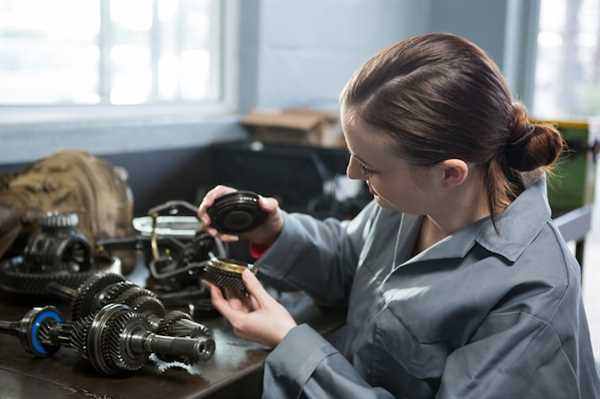
Incorporating materials with higher fatigue resistance can significantly improve operational lifespan. For instance, utilizing titanium alloys in specific components reduces overall weight while enhancing strength, leading to decreased wear and tear during high-stress conditions.
Advanced cooling technologies, such as variable cooling flow systems, ensure optimal thermal management. These systems adjust the coolant flow based on real-time temperature readings, minimizing overheating risks and prolonging component life.
Implementing modular designs enhances maintainability. By allowing for easier access to critical components, service time is reduced, and the likelihood of overlooking minor issues decreases, thus increasing overall durability.
Integration of smart sensors for real-time monitoring provides valuable data regarding the condition of parts. This technology aids in predictive maintenance, allowing for timely interventions before failures occur.
3D printing has streamlined the production of complex geometries, reducing material waste and enabling rapid prototyping of new components. This method supports iterative design improvements that can lead to more robust and reliable solutions.
Designing for disassembly promotes sustainability and facilitates repairs. Components engineered for easy replacement help extend the service life and reduce downtime during maintenance.
Finally, simulations using Finite Element Analysis (FEA) enable engineers to identify potential failure points in designs before physical prototypes are created. This predictive capability ensures that each stage of the product lifecycle is optimized for performance and durability.