Using high-grade gasoline consistently ensures optimal operation. It is crucial to select a product that meets the manufacturer’s specifications while avoiding low-quality alternatives, which can cause harmful deposits and lower performance.
Investing in well-refined sources translates to better combustion efficiency, leading to improved power output and reduced emissions. High-quality fuels enhance the overall health of internal components, reducing wear and prolonging service intervals.
Regularly monitoring the type of gasoline used can significantly affect maintenance costs. A proactive approach to choosing superior fuels minimizes the risk of damage and promotes a longer lifespan, protecting your investment in the vehicle.
Analyzing Fuel Composition for Optimal Performance
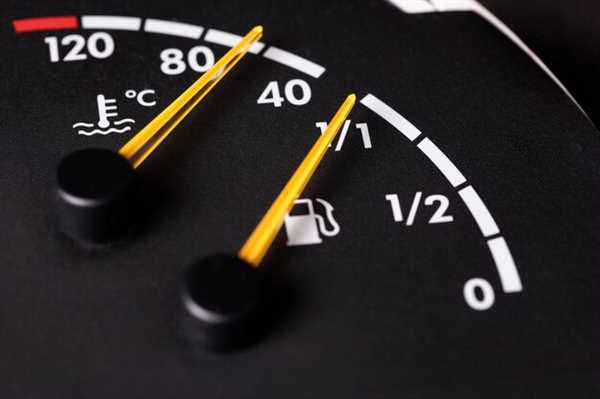
Select fuels with a higher cetane or octane rating to ensure smoother combustion, enhancing power output while reducing emissions. Fuels enriched with detergents minimize deposit buildup, contributing to cleaner combustion chambers.
Opt for fuels containing synthetic additives that reduce friction. This can prolong the lifespan of various components while improving thermal efficiency. Synthetic blends often provide better resistance to oxidation, thereby maintaining performance over time.
Monitor the presence of aromatics and sulfur in your chosen product; lower levels are preferable as they correlate with reduced wear on the internal parts. This aspect is particularly relevant in the context of environmental regulations.
Consider seasonal specifications; winter blends in colder climates typically contain more volatility for easier starts. Conversely, summer formulations may be designed for higher temperature stability, affecting combustion characteristics.
Utilize fuels with a balanced mix of hydrocarbons to optimize combustion quality. Properly formulated products can minimize knocking, leading to a smoother running condition and maximizing the efficiency of a vehicle’s operation.
Regular inspection of fuel storage containers is essential to prevent contamination. Employ filters to safeguard against impurities that could interfere with system functionality.
Identifying Signs of Engine Deterioration Due to Fuel Quality
Regularly monitor these indicators to assess the condition of your automobile’s power unit:
- Increased emissions: Notice a rise in exhaust smoke or unusual odors. This can indicate incomplete combustion linked to poor-grade substances.
- Reduced power output: A significant drop in responsiveness or acceleration may suggest issues originating from substandard resources affecting combustion efficiency.
- Knocking or pinging sounds: Unusual noises during operation can signal improper ignition patterns often arising from inadequate materials.
- Frequent misfires: If the power unit struggles to maintain consistent operation, this may point to debris accumulation from inferior inputs affecting ignition.
- Rough idling: Uneven engine activity while stationary may indicate disruptions in fuel flow or combustion stability.
- Poor fuel economy: A noticeable drop in distance per gallon suggests that the combustion process is hampered by below-par ingredients.
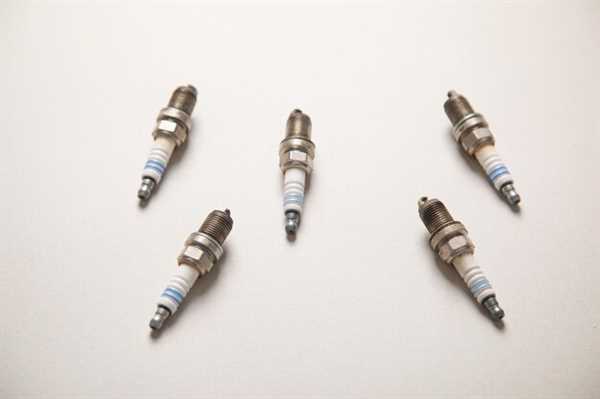
- Build-up on spark plugs: Inspection may reveal deposits on plugs, hinting at contamination from inferior components.
Address these concerns promptly. Regular inspections and quality assessments can help maintain optimal health for your vehicle’s core system.
Best Practices for Maintaining Fuel Quality in Daily Use
Regularly inspect storage tanks and containers for moisture and contaminants. Water can damage combustion systems and decrease efficiency.
Opt for reputable suppliers with a solid track record in delivering clean and reliable petroleum products.
Use additives designed to stabilize and protect fuels from degradation. They help inhibit microbial growth and remove deposits from systems.
Keep fuel tanks full to minimize condensation and prevent air exposure. This reduces the risk of moisture accumulation.
Implement a routine maintenance schedule for any machinery reliant on these substances, ensuring parts are clean and functioning properly.
Avoid mixing different types or grades of these resources, as this can lead to issues in combustion and system operations.
Monitor storage temperatures; excessive heat can alter chemical properties, affecting combustion characteristics.
Lastly, educate users on best practices related to handling and utilizing these resources, ensuring they understand the importance of maintaining their condition for optimal utility.