Adopting a gradual approach to throttle input can significantly enhance the overall performance of your vehicle. This method not only reduces fuel consumption but also contributes to prolonged mechanical durability. Research indicates that maintaining a consistent and moderate increase in speed allows internal components to operate within their optimal parameters.
By minimizing abrupt changes in speed, the stress on various engine parts diminishes, leading to less wear and tear. This practice encourages better combustion efficiency, as fuel is burned more thoroughly, resulting in lower emissions and improved energy output. Drivers should aim to accelerate smoothly, aiming for a steady increase in velocity; this can lead to substantial reductions in operational costs over time.
Additionally, consistency in driving habits plays a critical role in enhancing longevity. The practice of gentle acceleration fosters a harmonious interaction between engine systems, which can mitigate the likelihood of premature failures. Adjusting driving styles to maintain gradual speed changes is a straightforward yet effective method to improve overall vehicle performance and reduce the frequency of maintenance intervals.
Impact of Gradual Throttle Application on Fuel Consumption
Applying the throttle gradually can reduce overall gasoline usage by up to 15% compared to sudden or aggressive pressing. This technique results in lower engine load, leading to diminished fuel intake during initial acceleration phases.
By maintaining a steady rate of engine power increase, vehicles burn less gasoline. Studies indicate that a smooth transition in throttle position produces a more uniform fuel-to-air ratio in combustion, which enhances efficiency and reduces waste.
Drivers should aim to reach cruising speed gradually. Instead of flooring the pedal, moderate pressure on the accelerator allows for optimal combustion and minimizes excess fuel injection. This practice can significantly contribute to cost savings over time.
Utilizing cruise control on highways supports this gradual approach as well, maintaining constant speeds and reducing unnecessary throttle fluctuations, which can lead to better mileage.
Incorporating this practice not only benefits your wallet but can also extend the longevity of the vehicle’s components, resulting in fewer repairs and maintenance concerns. Keeping engine RPMs low during acceleration helps maintain the integrity of the powertrain.
How Gentle Acceleration Reduces Engine Wear Over Time
Adopt gradual increases in speed to minimize strain on machinery components. This practice allows parts to work within optimal parameters, significantly enhancing their longevity. Rapid starts can cause excessive friction, leading to premature degradation.
Maintaining a steady pace improves combustion efficiency. When power is applied gradually, the mixture of air and fuel burns more completely, decreasing residue buildup. Less buildup translates into cleaner internals, reducing the frequency of maintenance required.
Driving gently also decreases thermal stress on mechanical components. Constant hard starts and abrupt stops create fluctuations in temperature, resulting in expanded and contracted materials that wear faster. Keeping transitions smooth helps maintain stable operating conditions.
Incorporating this technique also aids in better fuel consumption metrics. A more controlled approach diminishes fuel wastage by allowing the engine to operate closer to its designed performance curves. This results in better mileage and a lighter environmental impact.
Monitor your driving habits consciously. Transitioning to a gentler style can yield noticeable results in performance and repair costs, enhancing the overall experience of vehicle ownership. Prioritizing gradual speed changes pays dividends in engine health and sustainability.
Strategies for Practicing Smooth Acceleration in Daily Driving
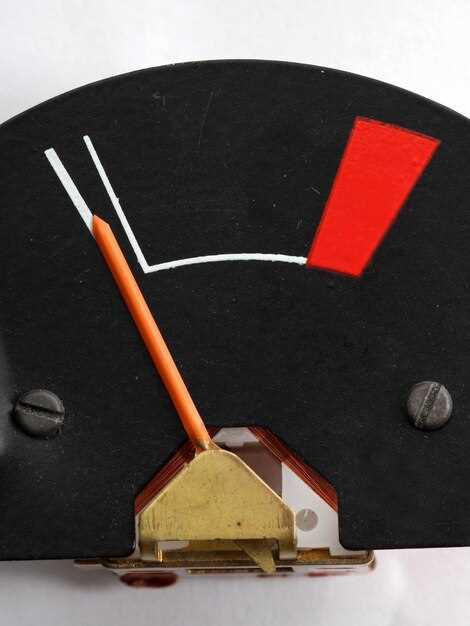
Begin by gradually pressing the accelerator pedal. Rapid pushes lead to abrupt speed changes, putting stress on the vehicle.
Observe the traffic around you. Anticipating stops and slowing vehicles allows you to adjust your speed seamlessly, maintaining a steady pace.
Practice light pressure on the throttle when merging or overtaking. This method supports maintaining a consistent flow without sudden increases in power.
Use cruise control on highways. This feature helps in maintaining a steady pace, reducing unnecessary speed variations.
Focus on the road ahead. Paying attention to potential obstacles or changes allows for an earlier response, resulting in a more controlled driving approach.
Limit excessive brake use. Heavy braking can disrupt the vehicle’s rhythm. Instead, decelerate smoothly by easing off the throttle in advance of required stops.
Maintain a proper following distance. This cushion permits smoother transitions, minimizing the need for sudden braking or acceleration.
Engage in regular practice of driving at different speeds. Familiarity with the vehicle’s response at varying rates aids in achieving a more fluid experience on the road.