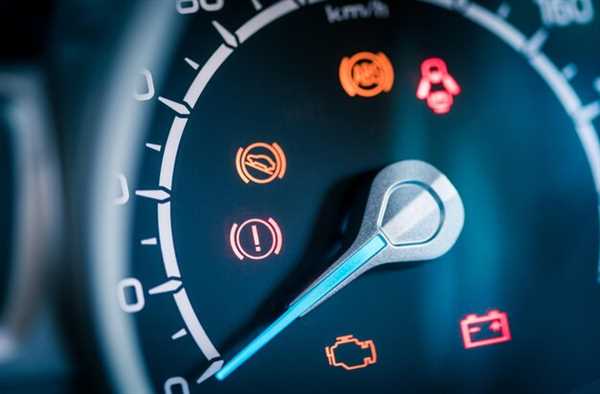
To enhance your vehicle’s output, maintaining an optimal balance during operation is crucial. A well-tuned power unit will exhibit better throttle response and improved acceleration metrics. Frequent monitoring of various indicators like torque and RPM can provide valuable insights into how changes affect mechanical efficiency.
The configuration of fuel and air mixtures plays a significant role in optimizing these systems. Adjusting variables can lead to marked gains in both speed and stability, especially under load conditions. Regular checks on these parameters will help maintain the desired outputs and overall drivability, ensuring that the car operates as engineered.
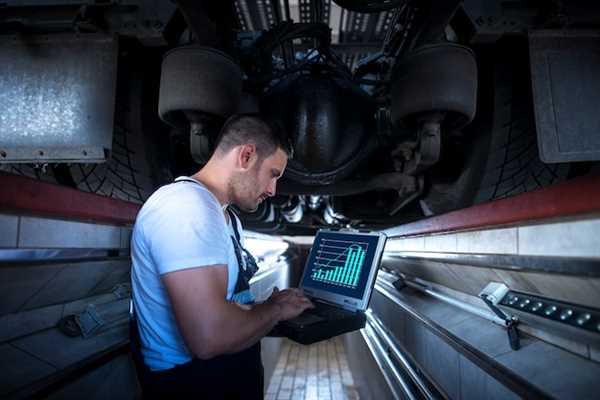
Consider employing diagnostic tools that evaluate real-time data from the motors. These devices can assist in identifying performance bottlenecks and guide you to make informed adjustments, ultimately leading to improved metrics and enhanced user experience on the road.
Understanding the Relationship Between Engine Load and Fuel Efficiency

To enhance fuel economy, maintain engine operation within 50-70% of capacity. At this range, combustion processes remain optimal, reducing excess consumption.
Monitor throttle position. Excessive acceleration can push the system into high consumption zones. Gradual acceleration leads to better mileage by allowing more controlled fuel delivery.
Regular maintenance of air filters and fuel injectors is critical. Dirty components can lead to inefficient air-fuel ratios, escalating consumption under high strain.
Utilize onboard diagnostics or aftermarket gauges to analyze engine behavior in various situations. This data enables you to adjust driving habits for improved efficiency.
Incorporate lighter loads wherever possible. Carrying unnecessary weight burdens the system and demands more fuel for comparable distances.
Lastly, consider route planning. Avoiding heavy traffic can help maintain steady speeds and reduce fuel usage, especially in urban drives where frequent stop-and-go scenarios increase strain.
Measuring Engine Performance Under Varying Load Conditions
For accurate assessment, utilize dynamometers to gauge output across different circumstances. These instruments help quantify power delivery and torque efficiency. Ensure calibration is precise to enhance reliability of measurements.
Conduct tests across a spectrum of operational strains–light, medium, and full capacity–to identify how metrics fluctuate. Document data meticulously; observe parameters like temperature and fuel consumption concurrently. Anomalies can indicate inefficiencies or potential mechanical failures.
Implement throttle response analysis during varying degrees of strain. Rapid shifts in RPM should be closely monitored for any lag or inconsistency, as this could point to tuning issues. Utilize software to visualize this data for better interpretation.
Consider environmental conditions as they can also alter outcomes. Perform tests in controlled settings to minimize external influences, ensuring that results reflect true capabilities. Tracking atmospheric pressure and humidity levels further enriches data authenticity.
Finally, engage in comparative studies with similar models to benchmark results. Understanding how your unit stands against others can provide insights into necessary modifications and potential enhancements.
Practical Implications of Engine Load on Vehicle Dynamics

Optimize vehicle handling by aligning torque delivery with weight distribution. Adjusting suspension settings to counteract excess weight can enhance cornering stability and response times.
Monitor thermal conditions closely; excessive stress on the power source can elevate temperatures, leading to performance degradation. Regular coolant checks and timely service can mitigate risks associated with overheating.
Calibrate transmission ratios based on workload to improve acceleration and responsiveness during demanding conditions. This adjustment ensures smoother shifts and better power management.
Implement real-time monitoring tools to assess the relationship between stress levels and vehicle behavior. Data from these systems provides insights into tuning requirements for improved traction and grip.
Consider tire specifications in relation to demands placed on the vehicle. Upgrading to high-performance tires may enhance grip under significant stress, thereby improving overall road handling and safety.
Evaluate fuel efficiency strategies by analyzing how different stress levels affect consumption. Adjust driving habits–such as avoiding rapid acceleration–to limit unnecessary exertion on the system.